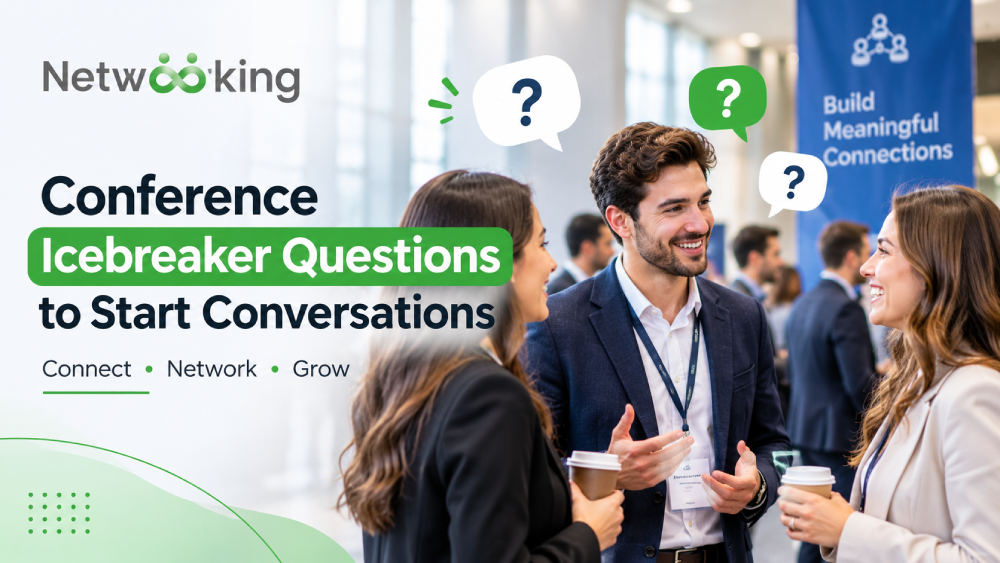
Most professionals attend conferences hoping to meet new people, yet many spend the breaks checking their phones. The reason is rarely shyness alone. It is the uncertainty of not knowing what to say first. A few reliable conversation starters solve that problem. With the right opening, conference networking stops feeling like a chore and becomes a chance to learn from interesting people.
Why Does the First Line Matters?
The opening sentence sets the tone for everything that follows. A flat greeting leads to forgettable small talk, while a thoughtful opener gives the other person something to engage with. Good conversation starters share three qualities: they are easy to answer, they relate to the shared setting, and they invite more than a yes or no. Keep your question simple, smile, and let your curiosity do the work.
Conversation Starters for Different Moments
Conferences have natural rhythms, and the best opener depends on where you are standing. Here are some that fit the most common situations.
In a session queue or before a talk:
“Have you heard this speaker before?”
“What made you choose this session?”
“What are you hoping to learn from this one?”
At the coffee station or lunch table:
“Which talk has stuck with you so far?”
“Is this your first time at this event?”
“Do you have any must-see sessions for the afternoon?”
At an evening reception:
“What was the highlight of your day?”
“How did you get started in your field?”
“Is there anyone here you were hoping to meet?”
Each of these keeps small talk purposeful. They point toward shared experiences and open the door to the deeper topics that make a connection last.
Moving Beyond the Opener
An opening line only works if the conversation continues. This is where active listening matters most. Pay attention to what the person actually says, then ask a follow-up based on a specific detail. If they mention a product launch, ask what the biggest challenge was. If they mention a career change, ask what prompted it.
Some useful follow-up lines:
“That sounds interesting. How did that come about?”
“What was the hardest part of that project?”
“What would you do differently next time?”
“How can I help with that, or who might I introduce you to?”
The last question is worth remembering. Offering help instead of asking for it makes you memorable and builds trust quickly.
Use Body Language to Support Your Words
Your body language often speaks before you do. Approach with an open posture, make comfortable eye contact, and avoid looking over someone’s shoulder for a better contact. Look for groups of three or more with open formations, since people standing in a tight pair are usually mid-conversation. A person standing alone near the edge of the room is often glad to be approached.
Prepare Before You Arrive
Preparation turns nerves into confidence. Review the attendee list or speaker lineup, pick a few people you would like to meet, and write down two or three conversation starters for each. Platforms like netwoorking.ai can help you find relevant professionals ahead of time, so your opening line lands with people who share your goals. Arriving with a short plan saves energy for the conversations themselves.
Close the Loop with a Follow-Up
A good chat deserves a follow-up. Within two days, send a brief message mentioning something specific you discussed, such as “I enjoyed hearing about your expansion plans.” Connect on LinkedIn, share a useful article, or suggest a short call. A timely follow-up is the step that turns an enjoyable conversation into a professional relationship.
Conclusion
You don’t need to be the loudest person in the room to succeed at conference networking. Choose a few conversation starters that feel natural, listen carefully, watch your body language, and follow up promptly. Try different openers at your next event, notice which ones spark the best responses, and keep refining them. Confidence comes from practice, and every conversation makes the next one easier.
FAQs
1. What is the best conversation starter at a conference?
“What brought you to this event?” works almost anywhere because it is open, friendly, and relevant.
2. How do I join a group that is already talking?
Wait for a natural pause, make eye contact, and say, “Mind if I join you?” Then listen before contributing.
3. How long should a networking conversation last?
Five to ten minutes is typical. Exchange contact details, thank them, and move on politely.
4. What if I run out of things to say?
Ask a follow-up about something they mentioned earlier, or introduce them to someone nearby.
Get the next article in your inbox
Stay updated with practical insights, product updates, and networking tips — delivered straight to your inbox.