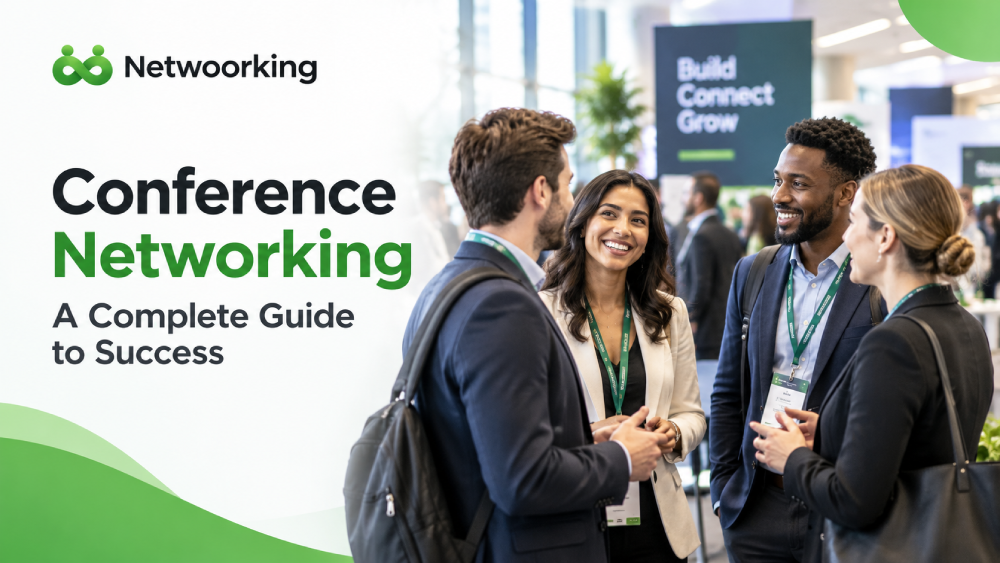
Conferences bring together industry leaders, entrepreneurs, investors, potential clients, and professionals who want to exchange ideas and build meaningful relationships. However, attending an event is only the first step. To create lasting connections, you need a clear plan, effective communication skills, and a willingness to engage with others.
Conference networking helps professionals discover career opportunities, explore partnerships, share industry knowledge, and expand their professional circles. Whether you attend an international business summit, a startup gathering, or a specialized industry event, understanding how to connect with the right people can make your experience more valuable.
What Is Conference Networking?
Conference networking is the process of meeting and building relationships with people during professional conferences, industry exhibitions, seminars, and business gatherings. These interactions can lead to collaborations, mentorships, employment opportunities, and new business relationships.
Unlike casual socializing, professional networking involves identifying shared interests and creating mutually beneficial connections. For example, a startup founder might meet an investor, while a marketing specialist could connect with a potential client or industry expert.
Successful networking does not depend on meeting the largest number of people. It depends on building relevant relationships that can develop over time.
Why Is Conference Networking Important?
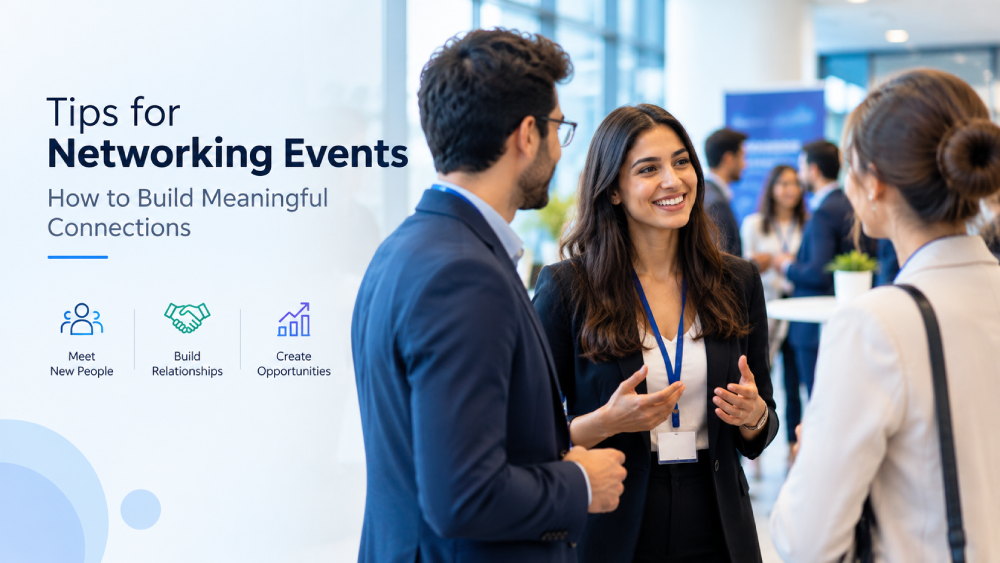
Professional events offer access to people and ideas that may be difficult to discover through everyday work. Effective networking can help you:
Discover business opportunities: Meet potential customers, partners, suppliers, and investors.
Develop industry knowledge: Learn about emerging trends, technologies, and market challenges.
Build professional visibility: Introduce your expertise to people who may support your career.
Find mentors and collaborators: Connect with experienced professionals who share your interests.
Strengthen your network: Establish relationships that can lead to future projects and referrals.
A well-planned business networking conference can be particularly valuable for professionals seeking industry contacts, new partnerships, and opportunities to expand their businesses.
7 Effective Strategies for Conference Networking
1. Research Attendees Before the Event
Preparation helps you spend time with people who are relevant to your goals. Review the event agenda, speaker profiles, sponsor information, and attendee directory if available.
Identify five to ten people you would like to meet. These might include potential clients, experienced professionals, investors, or people working in your industry.
Research their professional backgrounds and recent projects. Prepare a few thoughtful questions based on their experience or interests.
This approach makes conference networking more focused and helps you start conversations with a clear purpose.
2. Prepare a Short Professional Introduction
A concise introduction helps others understand who you are, what you do, and what interests you professionally. Aim for approximately 20–30 seconds.
For example, a content strategist might say:
"I help technology companies improve their online visibility through SEO and content strategy. I'm particularly interested in how artificial intelligence is changing digital marketing."
Adapt your introduction to the person you meet. Avoid memorizing a rigid sales pitch; instead, use it as a starting point for a natural conversation.
Ask questions about the other person's work and listen carefully to their answers. Meaningful exchanges create stronger connections than conversations focused entirely on self-promotion.
3. Participate in Sessions and Discussions
Workshops, panel discussions, and presentations provide natural opportunities to connect with people who share your interests.
Attend sessions related to your professional goals and participate in discussions when appropriate. After a presentation, ask another attendee what they found most useful or approach a speaker with a relevant question. These interactions can also help you identify people interested in the same challenges or industry developments.
Whether you attend traditional conferences or digital networking events, participating actively makes it easier to move beyond passive attendance and develop genuine professional relationships.
4. Use Breaks to Start Conversations
Coffee breaks, networking lunches, exhibition areas, and social receptions often provide relaxed settings for meeting people.
Instead of staying with colleagues throughout the event, make an effort to introduce yourself to new attendees. You can begin with simple questions:
Which session has been most useful so far?
What brings you to this event?
What projects are you currently working on?
Which industry trends are you following?
These questions encourage discussion without making the interaction feel forced.
Similar techniques work during business meetups and professional meetups, where participants often have shared interests but may not know one another personally.
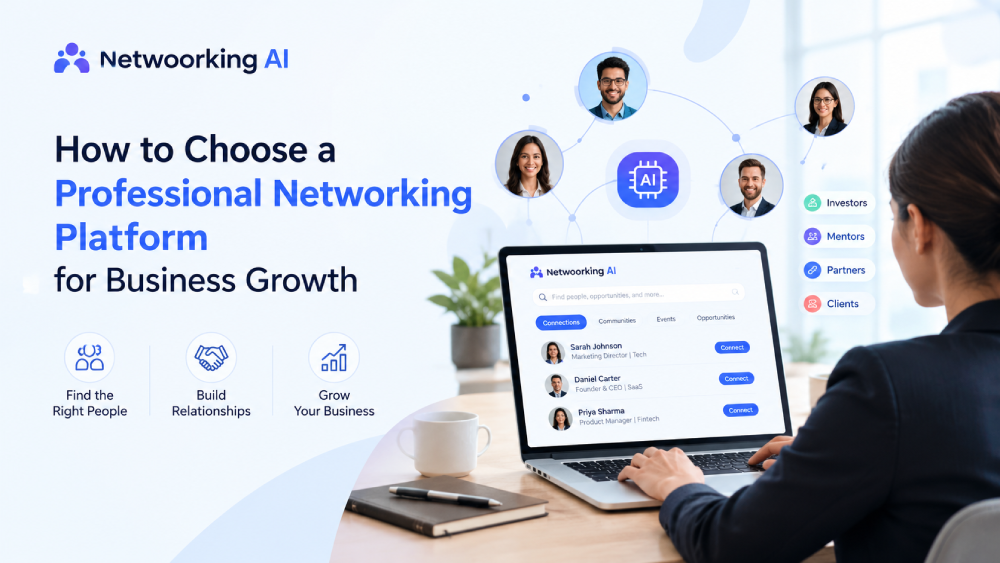
5. Use Digital Tools to Find Relevant Contacts
Many events provide mobile applications, attendee directories, and meeting-scheduling features. LinkedIn can also help you identify speakers and participants before the event.
Update your professional profile and send personalized connection requests when appropriate. Mention the event and explain why you would like to connect.
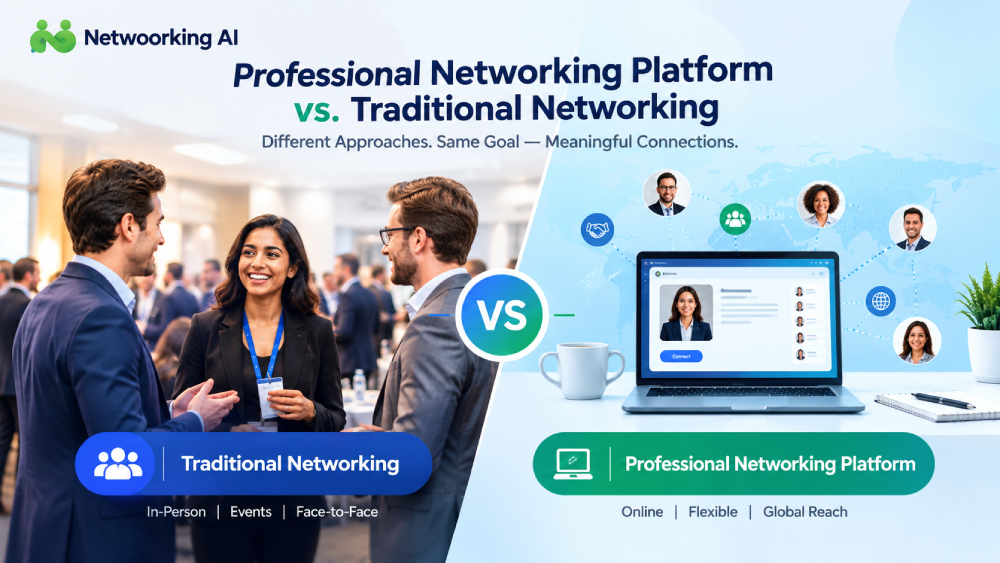
Digital tools are especially useful when planning meetup professional networking activities or participating in online communities before an in-person gathering.
For virtual attendees, chat rooms, breakout sessions, and scheduled video meetings can provide additional ways to meet professionals. The goal is to use technology to support conversations rather than replace meaningful interaction.
6. Explore Startup and Industry-Specific Events
Not every networking event offers the same benefits. Choose gatherings based on your objectives, industry, experience, and professional interests.
For entrepreneurs, startup networking events can provide opportunities to meet founders, investors, advisors, and potential collaborators. Technology conferences may be more suitable for developers, while marketing events can help SEO specialists connect with clients and industry experts.
You can also explore meetup networking groups and meetup business networking gatherings to build relationships outside major conferences.
If you are considering networking in conferences as part of a long-term professional development plan, combine large industry events with smaller gatherings where conversations may be more focused.
7. Follow Up After the Event
The relationships you develop during a conference become more valuable when you maintain them afterward.
Send a personalized message within 24–48 hours of meeting someone. Mention your conversation, thank them for sharing their insights, or suggest a useful next step.
For example, you might share an article related to a discussion, introduce a relevant contact, or arrange a short follow-up call. The best way to network at a conference is to treat every useful introduction as the beginning of a relationship rather than a one-time exchange.
When attending another networking conference, reconnect with people you have previously met. Maintaining relationships consistently can lead to referrals, collaborations, and new opportunities over time.
Common Conference Networking Mistakes to Avoid
Even well-prepared professionals can make mistakes that limit the value of networking. Avoid these common problems:
Focusing only on business cards: Collecting contact information is less useful than having meaningful conversations.
Promoting yourself too aggressively: Build rapport before discussing sales or business proposals.
Ignoring follow-ups: Connections can fade if you never contact people after the event.
Staying with familiar colleagues: Meeting new people helps expand your professional circle.
Setting unrealistic expectations: Not every conversation will lead to an immediate opportunity.
Approach each interaction with curiosity, respect, and a willingness to offer value. Strong professional relationships develop through trust and consistent communication.
Conclusion
Conference networking can help professionals expand their connections, discover business opportunities, exchange knowledge, and develop lasting industry relationships. However, the best results come from preparation, active participation, thoughtful conversations, and consistent follow-up.
Research attendees before the event, introduce yourself confidently, participate in relevant sessions, and use digital tools to identify potential contacts. Most importantly, focus on building mutually beneficial relationships instead of measuring success by the number of people you meet.
FAQs
1. What is the main purpose of conference networking?
Its main purpose is to build professional relationships, exchange knowledge, and discover opportunities for collaboration or career development.
2. How can beginners network at conferences?
Start by researching attendees, preparing a short introduction, asking questions, and joining conversations during breaks.
3. Is online networking as effective as in-person networking?
Yes. Online networking can build valuable connections through virtual meetings, professional platforms, and industry communities.
4. How soon should I follow up after a conference?
Contact new connections within 24–48 hours with a personalized message referencing your conversation.
Get the next article in your inbox
Stay updated with practical insights, product updates, and networking tips — delivered straight to your inbox.