Conferences bring together professionals, entrepreneurs, investors, and industry experts, but meaningful connections do not always happen naturally. People may hesitate to approach strangers, struggle to start conversations, or leave an event without meeting the right contacts.
Well-planned conference networking ideas can make these interactions easier and more enjoyable. Whether you're organizing an industry event or attending one, the goal is to create opportunities for genuine conversations, shared learning, and lasting professional relationships.
Top 10 Conference Networking Ideas
Here are ten practical ways to help people connect at conferences.
1. Organize Speed Networking Sessions
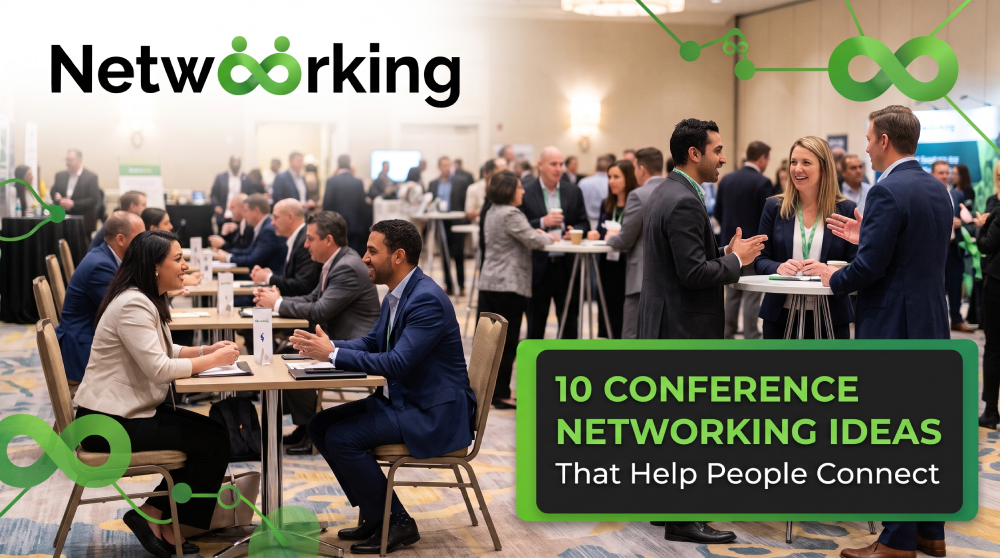
Speed networking gives attendees a structured way to meet several people in a short period. Participants rotate between tables or conversation partners every few minutes, introducing themselves and discussing their professional interests.
This format reduces the pressure of approaching strangers and helps attendees expand their networks efficiently. Organizers can group participants by industry, experience, or business goals to make conversations more relevant.
2. Create Topic-Based Discussion Tables
Not everyone wants to discuss the same subjects. Topic-based tables allow attendees to join conversations around shared interests, such as marketing, entrepreneurship, leadership, technology, or investment.
Display clear labels so people can quickly find discussions relevant to their work. These smaller groups encourage participants to exchange experiences, ask questions, and discover common challenges.
This is one of the most practical conference networking tips for creating focused conversations without requiring complicated event planning.
3. Use Digital Tools for Better Matches
Technology can help attendees identify relevant people before an event begins. A conference networking app may offer attendee profiles, messaging, meeting scheduling, and personalized recommendations.
Encourage participants to complete their profiles with their roles, interests, and networking goals. This information makes it easier to identify potential collaborators and arrange meetings in advance.
Digital tools should complement face-to-face conversations, helping attendees spend less time searching for contacts and more time building relationships.
4. Introduce Conversation Starter Cards
Some attendees find it difficult to start conversations, especially when they are new to an industry. Conversation starter cards provide simple questions that help people begin talking naturally.
Examples include:
What brought you to this conference?
Which industry trend interests you most?
What project are you currently working on?
What is one thing you hope to learn today?
Place the cards on tables, near registration desks, or in networking areas. These prompts create an easy starting point without making conversations feel forced.
5. Arrange Small-Group Networking Activities
Large crowds can make networking overwhelming. Small-group activities create a more comfortable environment where participants have time to introduce themselves and exchange ideas.
Organizers can arrange collaborative challenges, industry problem-solving sessions, peer discussions, or short brainstorming exercises. Each activity should give everyone a chance to contribute.
These conference networking ideas work particularly well when attendees have different experience levels but share a professional interest.
6. Set Up Dedicated Networking Lounges
A dedicated networking lounge provides a relaxed space for conversations between sessions. Comfortable seating, refreshments, charging stations, and clearly marked discussion areas can encourage attendees to spend time connecting.
Consider creating separate zones for informal conversations, scheduled meetings, and industry-specific discussions. This gives participants more control over how they want to network.
A welcoming environment can make professional interactions feel less formal and encourage people to continue conversations beyond scheduled sessions.
7. Encourage Attendee Introductions
Personal introductions can help people connect with professionals they might otherwise overlook. Event hosts, speakers, and experienced attendees can introduce individuals who share interests or have complementary expertise.
For example, an entrepreneur looking for marketing support could be introduced to a marketing consultant attending the same event.
Organizers can also ask participants to identify their networking goals during registration, making relevant introductions easier to arrange.
8. Combine Networking With Workshops
Workshops give attendees a shared task, making it easier to interact without relying entirely on small talk. Participants can work together on practical exercises, exchange feedback, or discuss industry challenges.
For example, a technology conference could host a collaborative product-design workshop, while a marketing event might organize a content-planning exercise.
These activities create natural opportunities to demonstrate expertise, learn from others, and identify potential collaborators.
9. Include Virtual Networking Options
Not every attendee can participate in person, and some conferences attract international audiences. Virtual sessions can help remote participants join discussions and connect with professionals from different locations.
A virtual event networking platform may provide breakout rooms, participant directories, private messaging, and scheduled video meetings.
Organizers should create clear opportunities for interaction rather than relying exclusively on presentations. Small-group video discussions and moderated introductions can help remote participants feel included.
10. Build Follow-Up Into the Event Experience
Networking should continue after the conference ends. Encourage attendees to exchange contact details, connect on professional platforms, and arrange follow-up conversations when appropriate.
Organizers can send a post-event message with optional discussion groups, community links, or upcoming events. Attendees can follow up personally by referencing a conversation or sharing a relevant resource.
Successful conference networking ideas create opportunities not only to meet people but also to maintain relationships after the event.
Conclusion
Meaningful conference connections develop when people have comfortable, relevant, and engaging ways to interact. Speed networking, topic-based tables, conversation prompts, collaborative workshops, and digital tools can all help attendees build relationships.
The key is to design experiences that encourage genuine conversations instead of simply bringing people into the same room. With thoughtful planning and consistent follow-up, conferences can become valuable spaces for professional learning, collaboration, and long-term growth.
Frequently Asked Questions
1. What makes a conference networking activity successful?
Activities work well when they encourage participation, provide clear conversation prompts, and bring together people with shared interests.
2. How can introverts connect with people at conferences?
Small-group discussions, structured introductions, and prepared conversation starters can make networking more comfortable.
3. Which digital tools help with conference networking?
Attendee directories, event apps, meeting schedulers, and professional networking platforms can help people find relevant contacts.
4. How can organizers encourage networking after an event?
They can share community links, facilitate introductions, and encourage attendees to follow up through personalized messages.
Get the next article in your inbox
Stay updated with practical insights, product updates, and networking tips — delivered straight to your inbox.